
Aortic Dissection: What Patients Should Know After Lindsey Graham’s Passing
July 13, 2026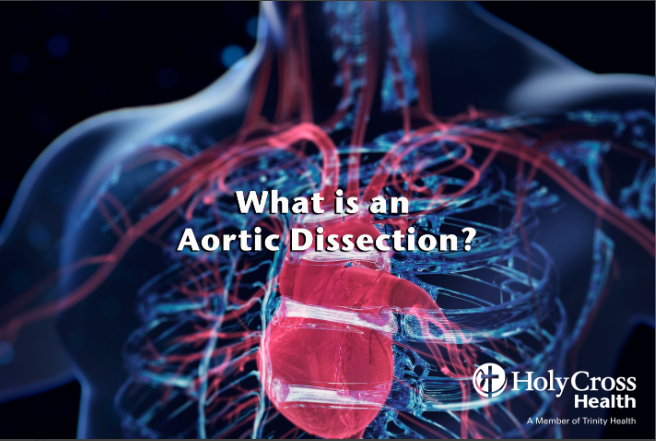
Categories: Heart & Vascular, Heart Health
Tags: Aortic Dissection
When someone unexpectedly experiences a serious health event, it often makes us pause and think about our own health. We may wonder: Would I recognize the warning signs? Are there steps I can take to better protect my heart?
The preliminary cause of death for Sen. Lindsey Graham was recently released, with the medical examiner reporting that he died from aortic dissection. While aortic dissections are rare, the news has brought attention to a cardiovascular condition that many people may not be familiar with.
Understanding what an aortic dissection is, recognizing potential warning signs and knowing how to support your cardiovascular health can help you make informed decisions for yourself and your loved ones.
What Is an Aortic Dissection?
An aortic dissection occurs when a tear develops in the inner layer of the aorta, the body’s largest artery. The aorta carries blood from the heart to the rest of the body, making it an important part of the cardiovascular system.
When a tear occurs, blood can enter between the layers of the aortic wall, which can affect normal blood flow throughout the body. While dissection can occur in different parts of the aorta, some types are particularly serious and may require emergency surgery.
What Is the Most Common Cause of Aortic Dissection?
An aortic dissection can occur when the wall of the aorta becomes weakened. Some cases happen unexpectedly, but certain factors may increase a person’s risk, including:
- High blood pressure (which can place added stress on artery walls over time)
- Atherosclerosis (the buildup of fats, cholesterol and other substances in the arteries)
- Smoking
- Aortic coarctation
- Certain connective tissue disorders (Marfan syndrome, Ehlers-Danlos syndrome, Loeys-Dietz syndrome, and Turner’s syndrome)
- Giant cell arteritis
- A history of an aortic aneurysm or other aortic conditions
- Family history of aortic disease
- Age-related changes in the arteries
Knowing your risk factors can help you better understand your heart health and what steps may be right for you.
What Are the Symptoms of Aortic Dissection?
Symptoms of an aortic dissection can happen suddenly. Some people describe the pain as severe or different from anything they have experienced before.
Possible symptoms include:
- Sudden chest pain
- Sudden upper back pain
- Sudden central back pain (particularly between the shoulder blades)
- Pain that feels sharp, intense or unusual
- Pain that spreads to the neck, jaw, arms, or back
- Shortness of breath
- Fainting, dizziness or lightheadedness
- Weakness, numbness or symptoms similar to a stroke
“The most important thing I want patients to know is that you know your body best. If something feels sudden, severe or different, it is worth getting checked. We also can’t overlook prevention. Managing things like blood pressure and understanding your heart health history are steps every person can take”
– Kushagra Katariya, MD, Thoracic and Cardiothoracic Vascular Surgeon, Holy Cross Medical Group
If you experience sudden or severe symptoms, call 911 or seek emergency care immediately.
Heart & Vascular Care at Holy Cross Health
When it comes to your heart health, having a care team you trust can help you better understand your health, ask the right questions and feel confident about your next steps.
The Holy Cross Medical Group – Cardiovascular & Thoracic Surgery team provides comprehensive cardiology care for a wide range of conditions form risk factors like high blood pressure and high cholesterol to complex heart and vascular disease.
If you have questions about your heart health or would like to connect with a provider, schedule an appointment with one of our Holy Coss Medical Group cardiovascular specialists today.
Find a Holy Cross Cardiologist
From simple to complex conditions, from emergency heart attack care to minimally invasive heart and vascular surgery, from wellness and prevention to management of chronic heart disease, our heart experts help you heal and become healthier.
Request an Appointment