
Determining a Patient’s Chances of Surviving Heart Bypass Surgery
June 8, 2026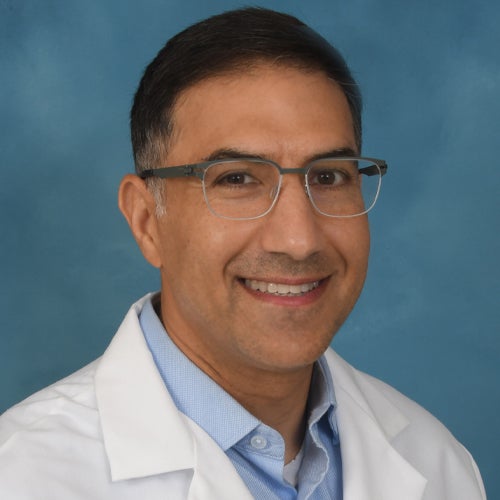
There is no question that open heart surgery is serious, but contrary to popular belief, the risks are minimal. When I speak to patients and their families, I love to clear up this common misconception and quell fears.
For more than two decades, long before artificial intelligence became part of our vernacular, surgeons input each patient’s data into computer software developed by The Society of Thoracic Surgeons (STS). The system’s algorithm analyzes height; weight; co-morbidities such as diabetes, high blood pressure and atrial fibrillation; bloodwork including platelet count; and lung function. Taking all these factors into consideration, a survival percentage is given. This percentage is based off the survival rate of hundreds of thousands or maybe even more than a million previous patients whose information has been entered. So, as time goes on, it gets more accurate.
As surgeons, we are not giving patients false hope, our subjective evaluation or just throwing a random number out into the universe that sounds good. We rely on this objective computer-generated assessment of their health condition.
On average, the survival rate of bypass surgery is 98%! That’s astronomically high and has been consistent for the past 20 years. For patients who are young and healthy, I’ve seen that percentage go as high as 99.5%. Surgery always has risks associated with it, so no surgeon can guarantee a 100% chance of survival. On the flipside, patients who are very sick with co-morbidities like diabetes and atrial fibrillation or have risk factors including a history of smoking have a lower chance of survival.
For a patient with a blockage, not having surgery runs a much greater risk than having surgery.
In addition to survival rate, the algorithm also provides an estimate for how long it will take for a patient to be ready for the breathing tube to be removed post-op (four to five hours on average), likelihood of being discharged from the hospital within five days and chance of recovering quickly. Lung function plays a major role in this. A heavy smoker will likely need to be on the ventilator longer than non-smokers and their hospital stay will also be extended.
It’s not only about simply surviving, but truly thriving post-op. We perform bypass surgery so people return to the activities they enjoy doing, but do them healthier, safer and easier. To access the heart, we crack the chest bone. Just like any broken bone, it usually takes about six weeks to be 70% healed and two years to be fully healed. The bone is the biggest holdup from being completely recovered and ready to resume all activities.
Because of blood circulation issues caused by a blockage before undergoing bypass surgery, a patient likely experienced symptoms such as shortness of breath and fatigue when exerting themselves. Post-op, they’ll breathe easier and have renewed energy, so once that bone is healed, there’s no reason to hold back.
Dr. Gibber can be reached at 954-542-6770. Visit holy-cross.com for more information.