
Inside Rehabilitation at Holy Cross Health Where Recovery Takes a Team
September 16, 2026For a patient in the hospital, progress can start with something that may seem small. Sitting up without help. Taking a few steps. Getting dressed. Feeling confident enough to try something again.
Those moments rarely happen alone.
At Holy Cross Health, nurses and therapists in acute care and the Inpatient Rehabilitation Unit (IRU) work alongside one another to help patients move forward. Each sees a different part of the journey and brings a different perspective to what a patient needs to regain independence and return home.
For Moglie Ezene, Diana Rodriguez, Sydni Kerr and Didier “Didi” Zephirin, that is what makes rehabilitation so meaningful. Their work may look different from one another, but it is connected by a common purpose. Helping patients get back to the people, routines and moments that matter to them.
Mogile Ezene Knows Recovery Does Not Happen Alone

As an IRU nurse, Moglie Ezene sees the day-to-day changes that can happen during inpatient rehabilitation. She also sees how much those changes depend on communication between the people caring for a patient.
“Collaboration is important because recovery is not accomplished by one discipline alone. When nurses, therapists, physicians, case managers, and other members of the team communicate effectively, we have a more complete picture of the patient’s progress and challenges.”
A physical therapist may notice a change in mobility. An occupational therapist may identify a challenge with a daily activity. A nurse may recognize a medical concern. Bringing those observations together gives the team a better understanding of what a patient needs next.
Diana Rodriguez Sees Confidence Return One Win at a Time
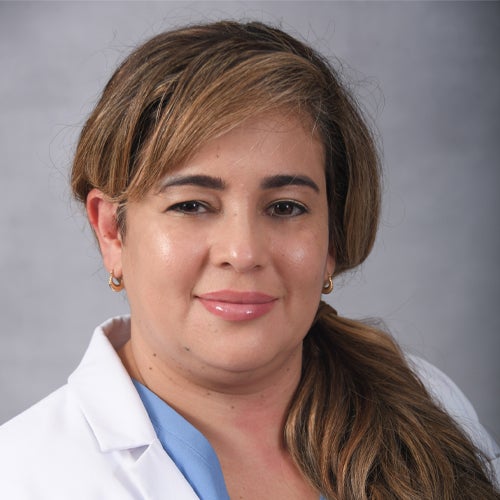
For IRU nurse Diana Rodriguez, some of the most meaningful moments are the ones that show a patient they are making progress.
“For me, it is very rewarding to see a patient make progress, especially when they can do something they couldn’t do when they first arrived. Seeing their confidence grow reminds me why I chose nursing.”
A patient may need less help getting out of bed or take on a task they could not manage a few days earlier. These moments can change how a patient sees what is possible.
That growing confidence can become part of what keeps them moving forward.
Sydni Kerr Helps Patients Get Back to the Life They Know
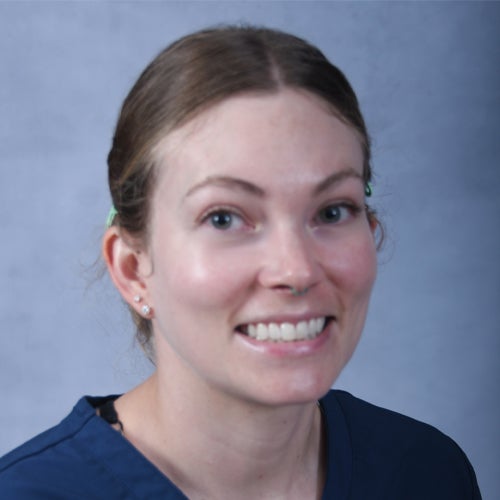
In acute care, Occupational Therapist Sydni Kerr often meets patients when they are still adjusting to what has happened to them.
After surgery, even everyday activities can feel unfamiliar. A patient may be dealing with pain, the effects of anesthesia or uncertainty about how they will manage once they leave the hospital.
Sydni considers what life will require beyond the hospital, including physical abilities, cognition, communication, daily activities and the home environment.
“When I can help someone go from feeling anxious and apprehensive to feeling hopeful and confident, I know I’ve done my job well!”
For Sydni, that change matters because being able to do something physically is only part of feeling ready to do it independently.
Didi Zephirin Helps Patients Find Their Strength Again
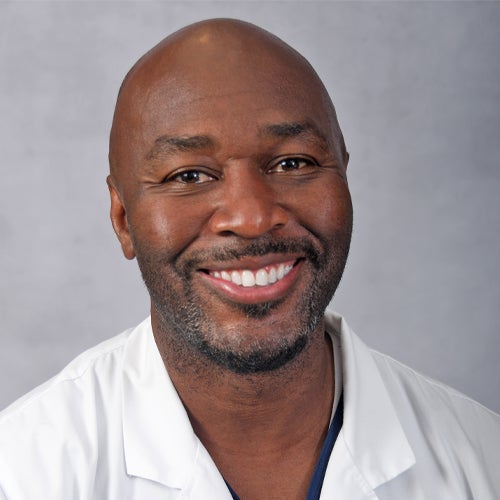
Physical therapist Didier “Didi” Zephirin works with patients in acute care and inpatient rehabilitation, including those who may initially need significant help with basic movement.
He gets to see how much can change. A patient who can barely tolerate sitting may eventually stand, walk and begin doing more independently.
“Seeing that patient return home to their family and friends is a feeling that cannot be replicated and reinforces why I chose this field.”
Sometimes, patients have a deeply personal reason for pushing through the difficult days. It may be a child’s wedding, a grandchild’s first birthday or simply being able to walk through their own front door again.
Those are the reasons behind the work.
From Acute Care to the IRU, the Goal is Getting Home
For patients at Holy Cross Health, the different pieces of rehabilitation come together around one person and one very personal destination.
Home.
Getting there may mean building strength through physical therapy, relearning everyday activities through occupational therapy or having a nurse there to provide care, encouragement and reassurance along the way.
The path may look different for every patient. What does not change is the reason behind the work. Helping people return to their families, their routines and the lives they know.
That is why recovery takes a team.
The goal is not simply to recover. It is to get back to living.
Wondering if inpatient rehabilitation is right for you or a loved one? Ask your case manager or physician about the Inpatient Rehabilitation Unit at Holy Cross Health, or call 954-351-5958 with any questions.